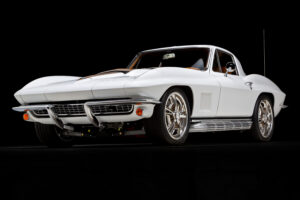
For a long time, restoring a car almost always meant bringing a vehicle back to how it looked when it first debuted on the road. More recently, however, there has been a rise in restomods—cars that maintain much of the appearance and character of their original models while incorporating carefully selected upgrades that bring them into the modern era. Read on to learn the differences between these two restoration styles.
Traditionally, restorations have been the most common approach to classic car refurbishment. A restoration aims to return a vehicle as closely as possible to its original factory condition, preserving the details that made it unique when it rolled off the assembly line. Modern upgrades take a back seat to historically accurate elements such as original paint colors, genuine replacement parts, and model-year-specific finishes. Typically, purist collectors who want to experience a vehicle as it was originally intended opt for restored cars.
Getting its name from combining the words “restoration” and “modification,” a restomod blends classic car aesthetics and vintage craftsmanship with modern upgrades in performance, safety, comfort, and reliability. Unlike a custom build, which often features heavily altered styling, a restomod strikes a balance between preserving the spirit of the original vehicle and enhancing its functionality for modern driving. It offers the best of both worlds for enthusiasts who appreciate classic design but also want contemporary performance and convenience.
Most commonly, restomods feature upgrades in the following areas:
Interior Comfort
|
“You Guys at Verrillo Motor Car Have the Greatest Job in the World!”
From the outside looking in, working at a high-end car shop like Verrillo Motor Car might seem like a dream job—and in many ways, it